The Seasons of Home: Listen to What Your Space Is Asking For
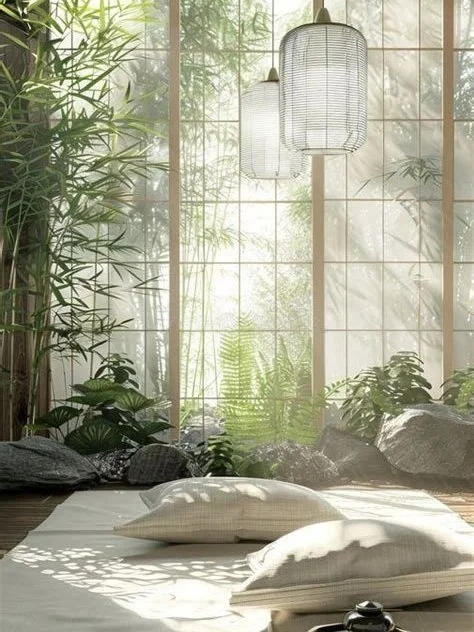
The journey for every home I design begins with listening, not just to my clients' words, but to their memories, their emotions, their essence.
I believe that healing design isn't about rules or trends; it's about creating a deeply personal sanctuary, one that feels like a soft return to self.
“Our homes hold our lives—but when was the last time you asked your home how it’s doing?”
Think of your journey through life as seasons—and your home, more than just shelter, is a companion on that journey. Beyond its walls lies a sanctuary that nurtures, reflects, and grows alongside you.
Spring: The stage of accumulation and possibility
When you first move in, everything feels full of promise. You seek to fill blank walls, empty rooms… almost bursting with intention. Psychologists call this place attachment—when a space starts meaning something, bringing comfort and a sense of identity. It supports you, but it also calls for shaping: finding the furniture that works, the routines that fit.
Summer: The season of giving—raising a family, caring for others
Here, the home becomes less about you and more about nurturing others. It’s a hub of energy—sometimes chaotic, often beautiful and draining. Research shows that flexible, well-ventilated homes support mental health and reduce stress. Yet clutter and unfinished projects raise cortisol levels and weigh on well-being.
Autumn: The rediscovery of yourself
Kids have grown. The noise has softened. A question surfaces: does this space support me now? At this stage, you start listening to the design, light, arrangement, colors—are they encouraging your creativity, rest, connection? Environmental psychology shows how natural light, soft colors, open arrangements—all rooted in biophilic design—can reduce anxiety, boost mood, and foster reflection.
Winter: Clearing paths for legacy and reflection
As life enters its “winter,” you feel called to simplify—give away what no longer serves, clear out old memories, open space for clarity, or even eternity. Scientific studies link decluttering with improved concentration, reduced depression, and emotional calm. Letting go isn’t loss—it’s liberation.
Reflection Prompts: Walk Room by Room
Take your time. Stand, breathe, and listen deeply.
1. How do I actually feel when I walk into this space?
(not what you see—but what you sense).
2. Is there anything here that no longer fits who I am or how I live now?
Sometimes it’s a chair gathering dust—sometimes an outdated habit.
3. What’s the energy of this room—is it rushed, calm, forgotten, cluttered, joyful?
4. What one small shift could make this space feel more supportive right now?
A rearranged chair. Cleared pathway. A window left open. Soft light in the evening.
5. Does this space reflect the life I want, or the life I’ve outgrown?
Science Says: Why This Matters
When you're deeply attached to home, it boosts your quality of life, belonging, emotional security—even regulation of negative emotions. Studies show that homes with good lighting, air flow, natural textures, and even a view of greenery, improve mental health, reduce stress, and elevate productivity. Environmental psychology highlights that your home is a stage for emotional healing—it can be used intentionally for recovery, creativity, even social warmth.
A Gentle Invitation
As you move through your home today, imagine you're holding a conversation—with each room, each corner. Let color, light, silence—or chaos—guide your understanding. Spring, summer, autumn, or winter—you’re invited to listen deeply. You don’t need more stuff. You need awareness. You need reclaimed space, emotional breathing room, reclaimed purpose.
Closing Love Letter to the Home
Thank you, my beloved home, for every quiet moment, every burst of life, every memory etched into your walls. You’ve carried me, witnessed me, sheltered my becoming. Whisper to me what you’re ready to become—so I can meet you there. I’m listening with wonder. Let’s dream something new into being.
Call us today at 610.772.0445